
“Comfort-Arena” Climate Units are a specialized design intended to maintain the temperature-humidity balance in ice arena facilities. Unlike general ventilation systems, special attention is given to humidity control and dehumidification of the air supplied to the ice arena.
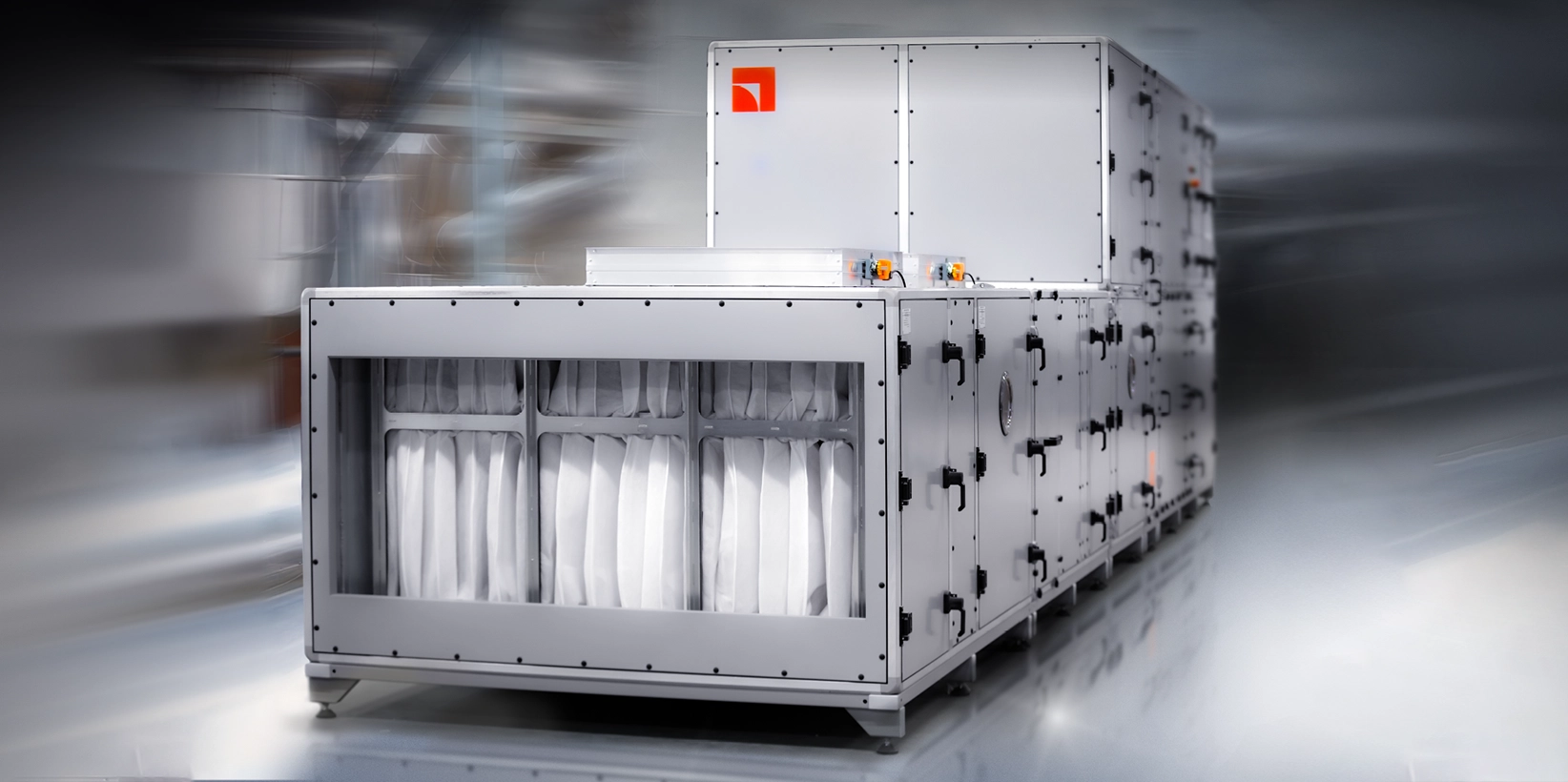
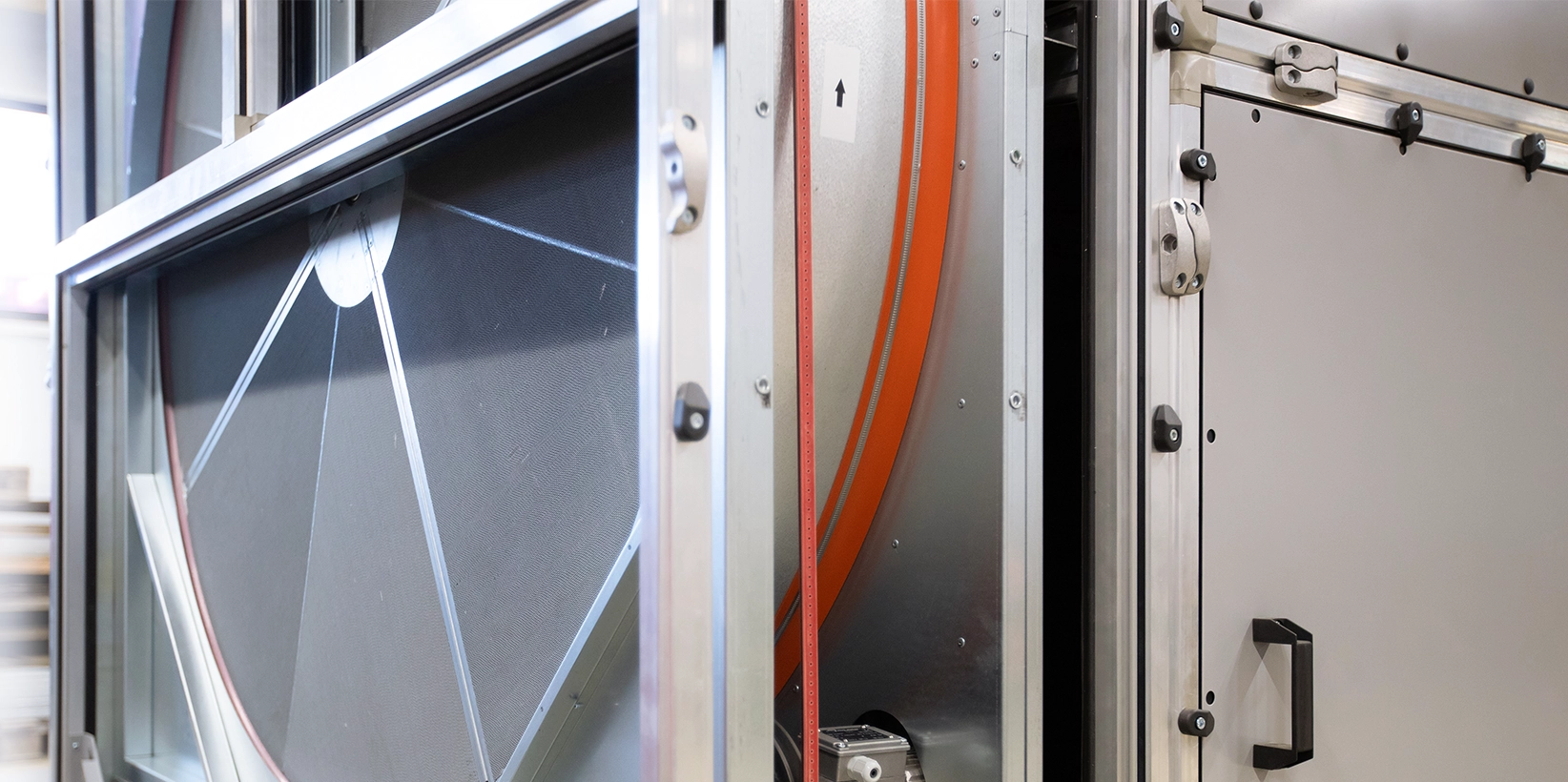
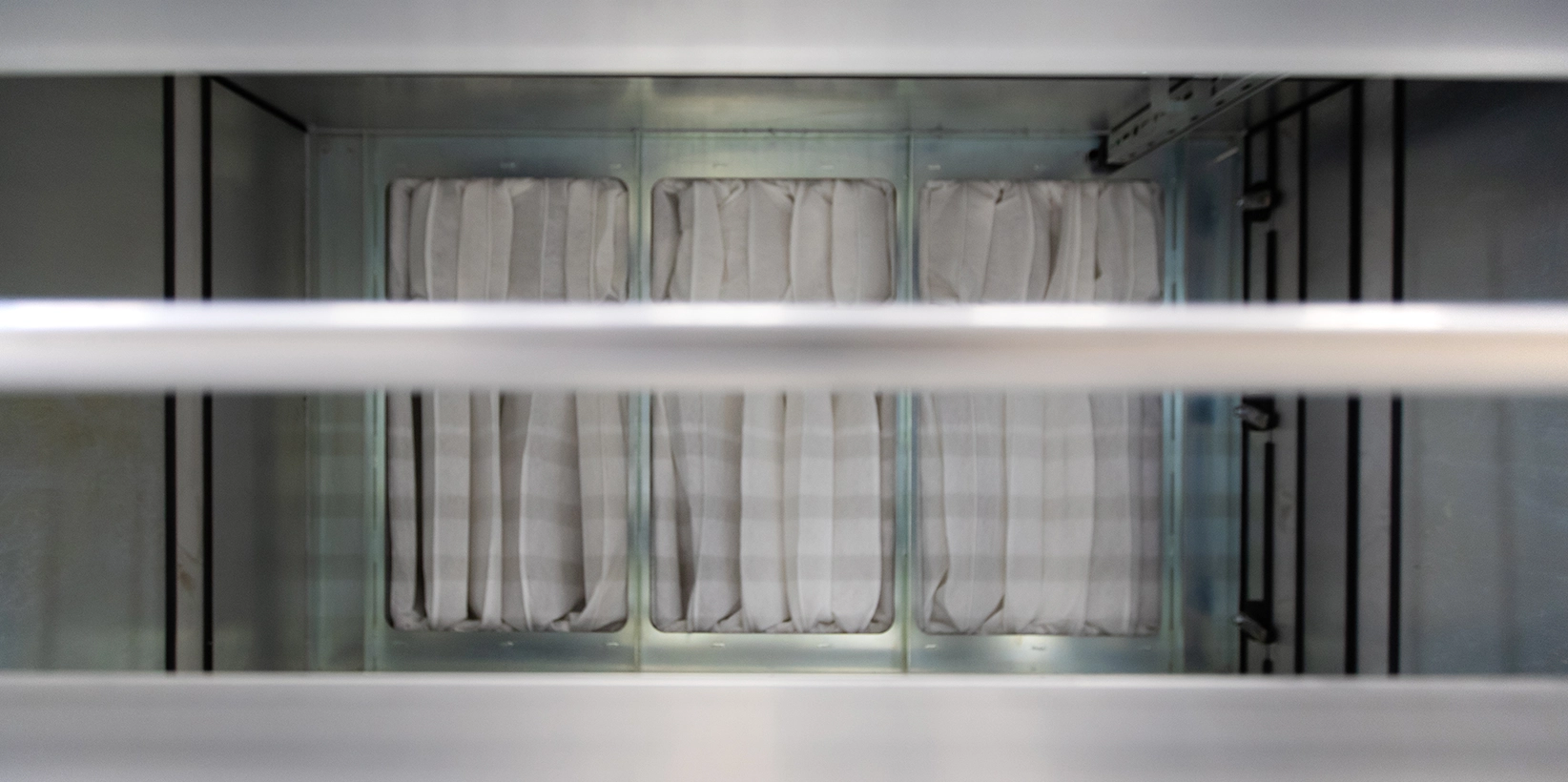
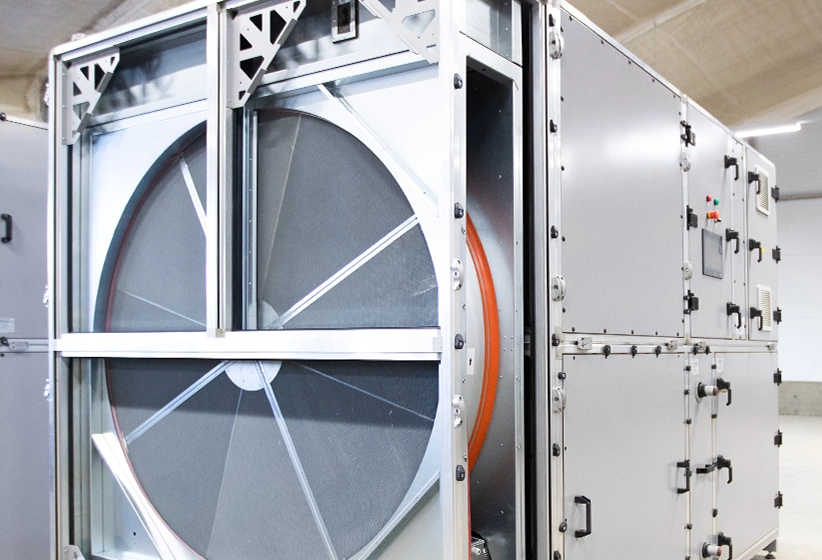
The “Comfort-Arena” climate units utilize a highly efficient desiccant rotary dehumidifier, capable of reducing the moisture content in the treated air to levels that are unattainable by condensation dehumidification. This system effectively handles the negative challenges of operating enclosed ice arenas. In the ice arena, it is crucial to prevent fog formation in the work zone and condensation on the surrounding surfaces.
The “Comfort-Arena” ventilation units feature a compact design with an integrated automation system, synchronization with the refrigeration unit of the ice rink, heat recovery from the rink’s refrigeration system, and active use of air mixing and removal chambers. These features significantly reduce operational costs when compared to other domestic and foreign systems.
The dehumidifier controls the humidity within the ice hall. The control point shifts depending on internal conditions. The incoming air is dehumidified by the desiccant dehumidifier, and the required humidity level is monitored by the integrated automation system.
The fresh air supply is controlled by CO2 concentration. The number of spectators automatically increases the fresh air intake.
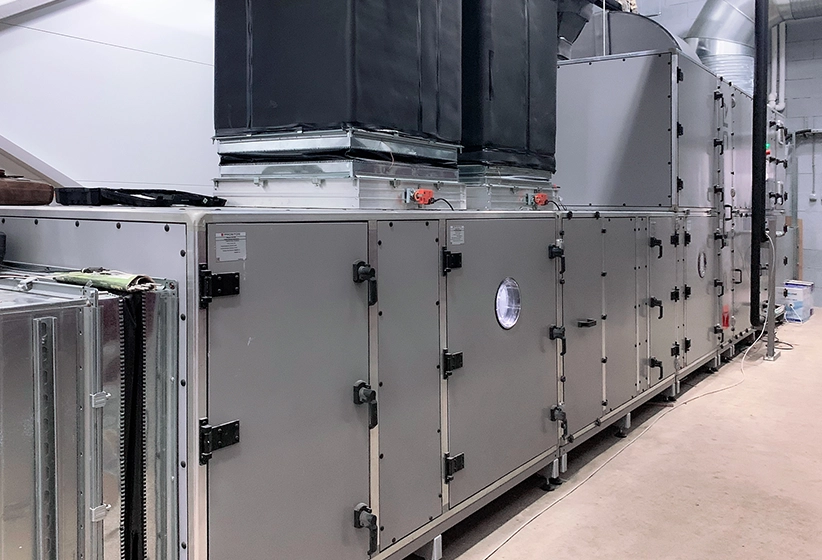
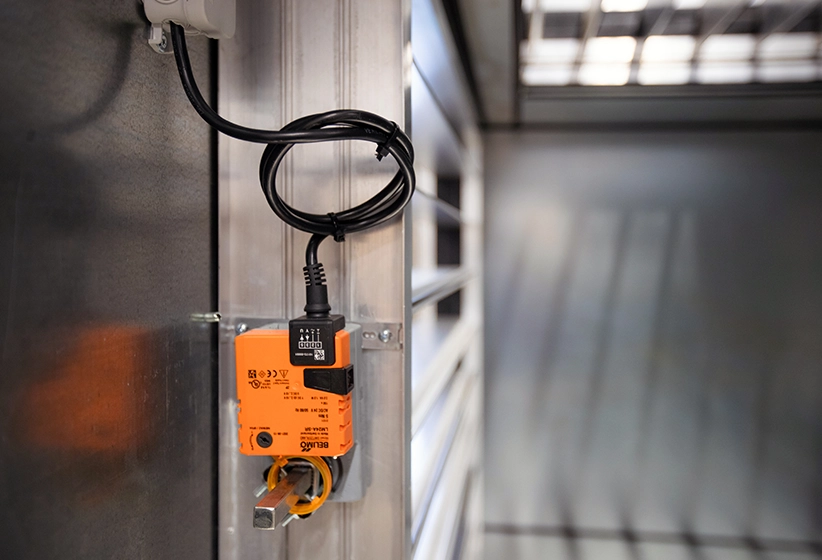
The automation system of the “Comfort-Arena” unit is based on a freely programmable controller and allows operation in several modes: Hockey, Figure Skating, Public Skating, Competitions, Night Mode, and Service Mode. Each of these modes enables control of air parameters on the arena, which can differ from those in other modes.
For hockey training and games, a lower air temperature in the working zone (6-10 °C) is preferred, while for figure skating and public skating, a higher temperature (12-14 °C) is ideal. The Night Mode allows the air temperature to be reduced to +5 °C, which helps reduce energy consumption not only for the ventilation system but also for the refrigeration unit.
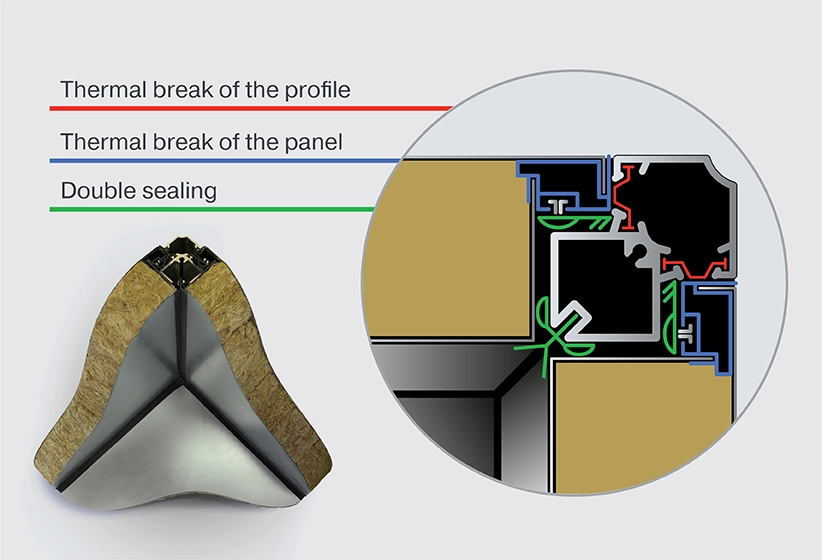
The “Comfort” series climate units are designed with the use of the TBS (Thermal Brake System), which significantly improves the sound and thermal insulation characteristics of the unit’s casing.
The TBS system includes a design where the components are equipped with thermal break inserts that prevent the formation of thermal bridges, substantially enhancing the insulation properties. These thermal break inserts are integrated into both the supporting aluminum profile and the panels of the unit. Additionally, the TBS system uses a double seal that creates an air gap around the perimeter of the panel. According to European classification, the TBS system complies with TV2 class.
The casing of the PROSTOR “Comfort” series climate unit consists of aluminum profiles with thermal break, multi-layer panels, and connecting elements.
Panel Construction of the Unit:
The internal and external panels are made from galvanized sheet metal with a thickness of 0.9 mm. The outer panel has a RAL 9010 paint coating, suitable for both internal and external applications. The space between the
panel walls is filled with mineral wool with a density of 80 kg/m³. The mineral wool is securely glued to the panel walls across the structure of the mineral plate, under temperature and pressure conditions. This construction method ensures that the panel has excellent structural and thermal-sound insulation properties.