
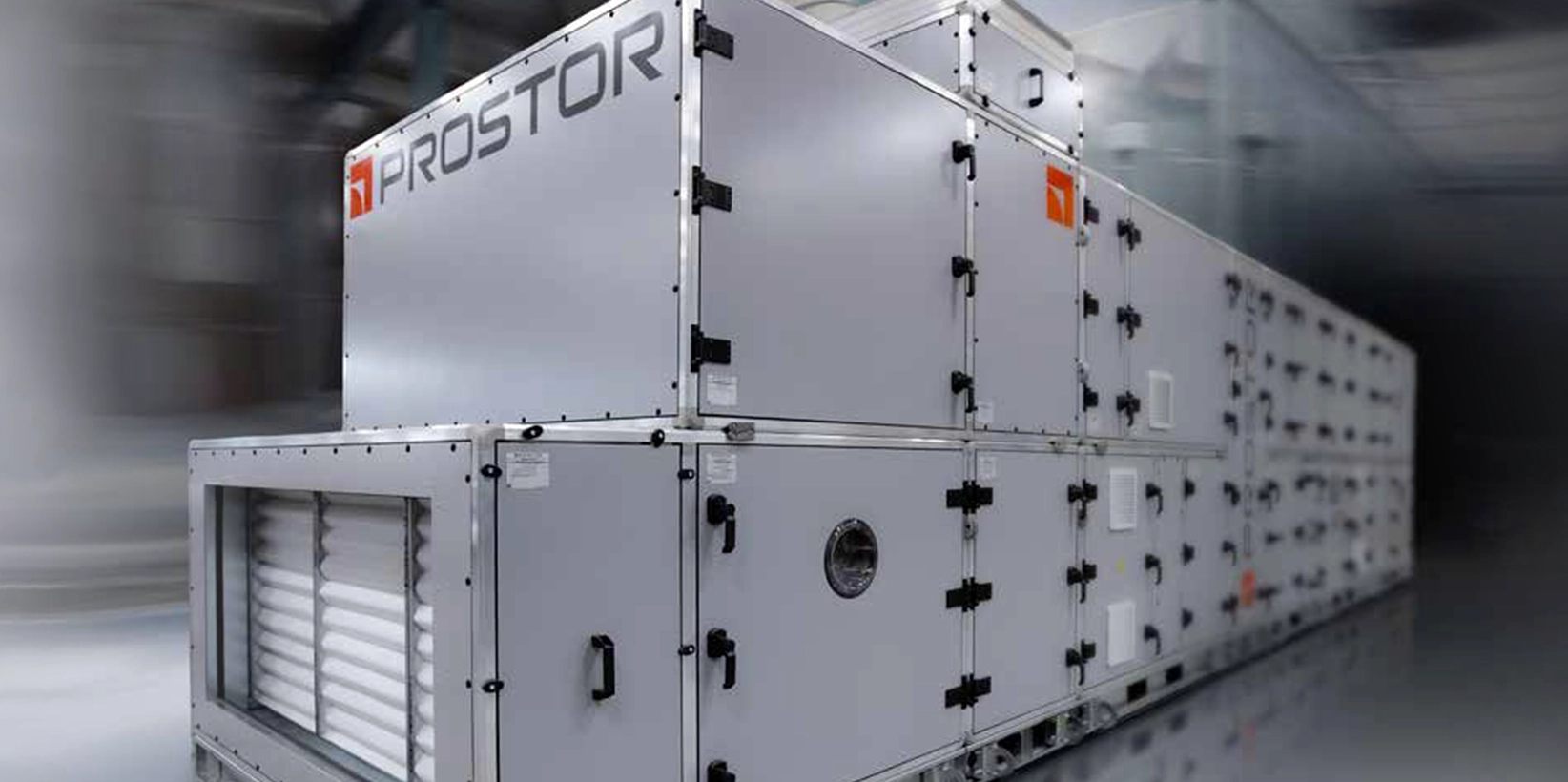
The units are designed in an industrial configuration, meeting the necessary requirements for air treatment methods and placement location (ventilation chamber or outdoor installation).
PROSTOR Climate Control Units are manufactured with a built-in automation system that includes:
Temperature and humidity sensors
CO2 air pollution sensors
Air damper and coolant control actuators
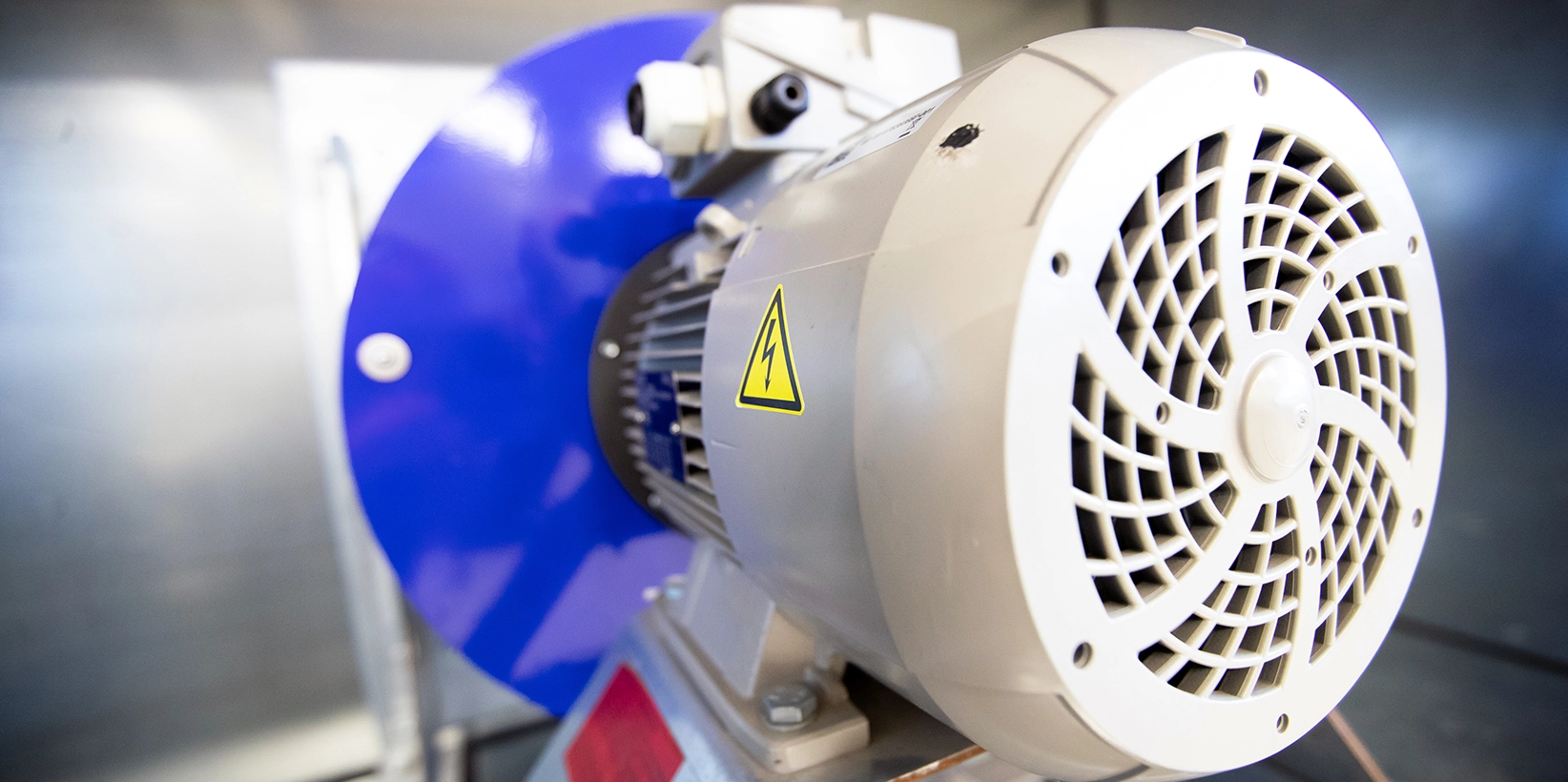
Fan airflow regulation and control
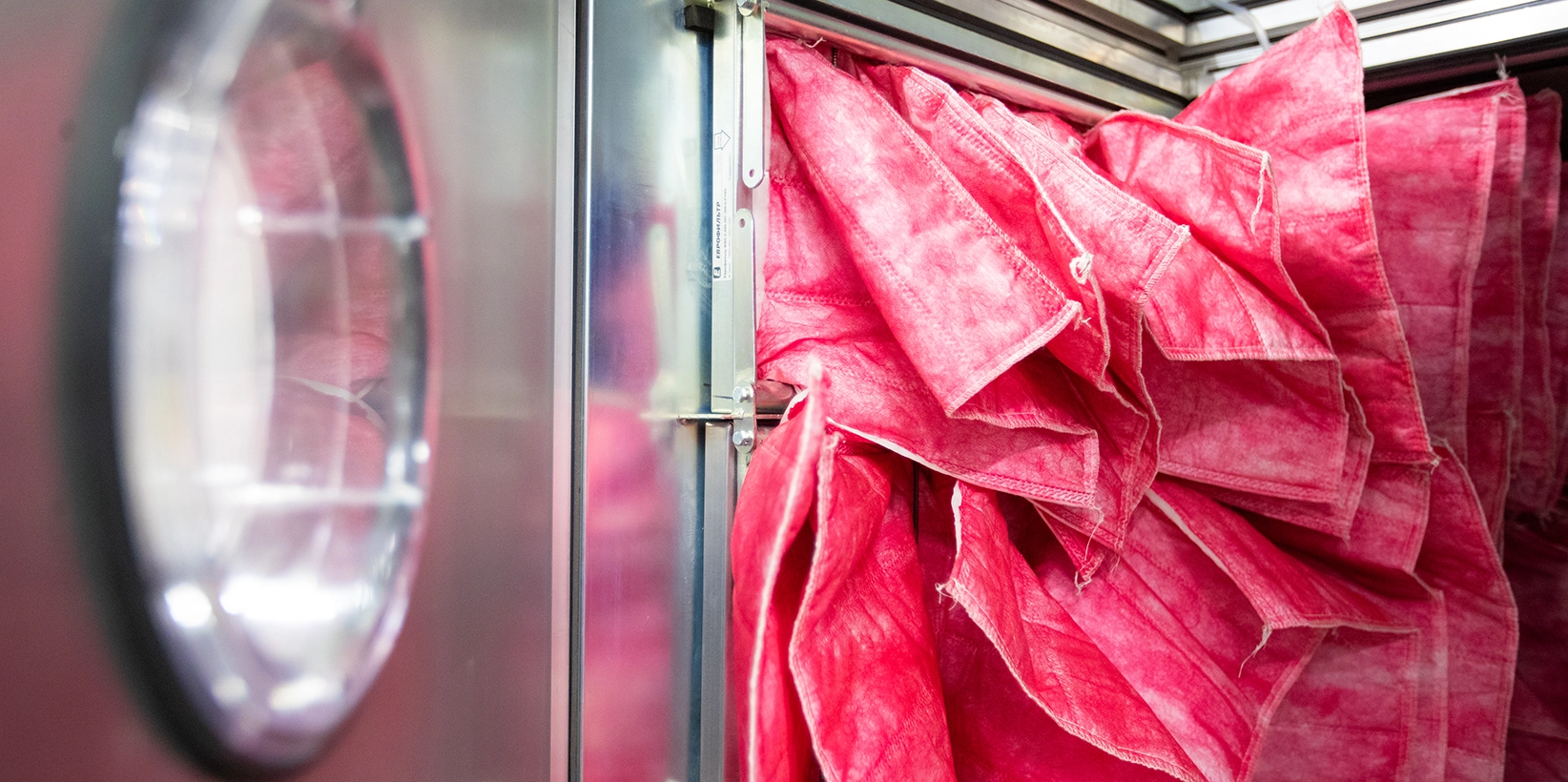
Warning system for filter contamination and replacement needs
Emergency shutdown prevention system
Built-in automation cabinet with wiring for all electrical components inside the unit.
Considering the combination of functional blocks and the specifics of the construction project, our production program includes several placement options for the central air conditioning unit.
Functional blocks are indicated according to the airflow direction (starting with the fresh air intake).
For a two-way (supply and exhaust) unit, the sections for the intake side and exhaust side are separated by the symbol “—”.
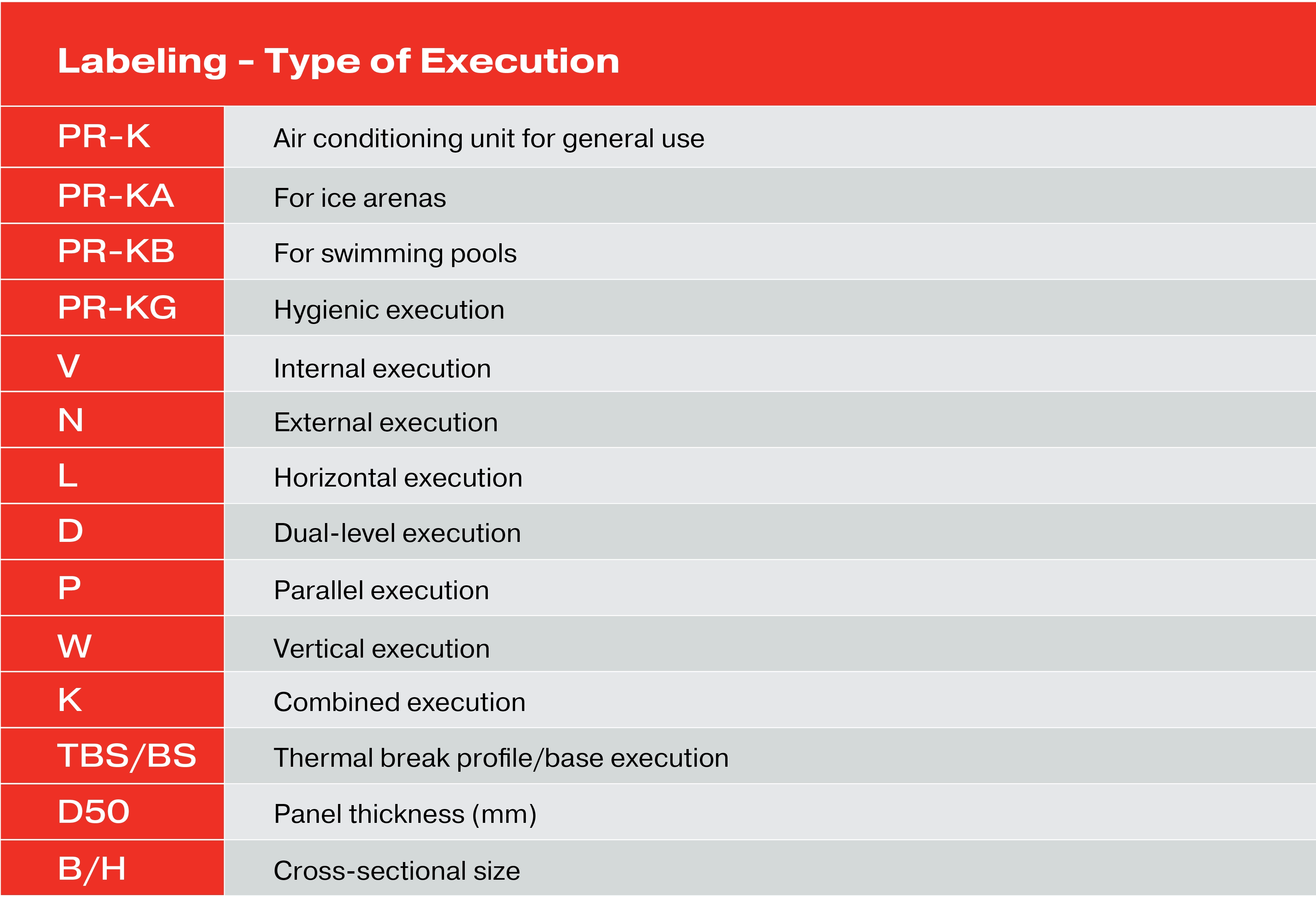
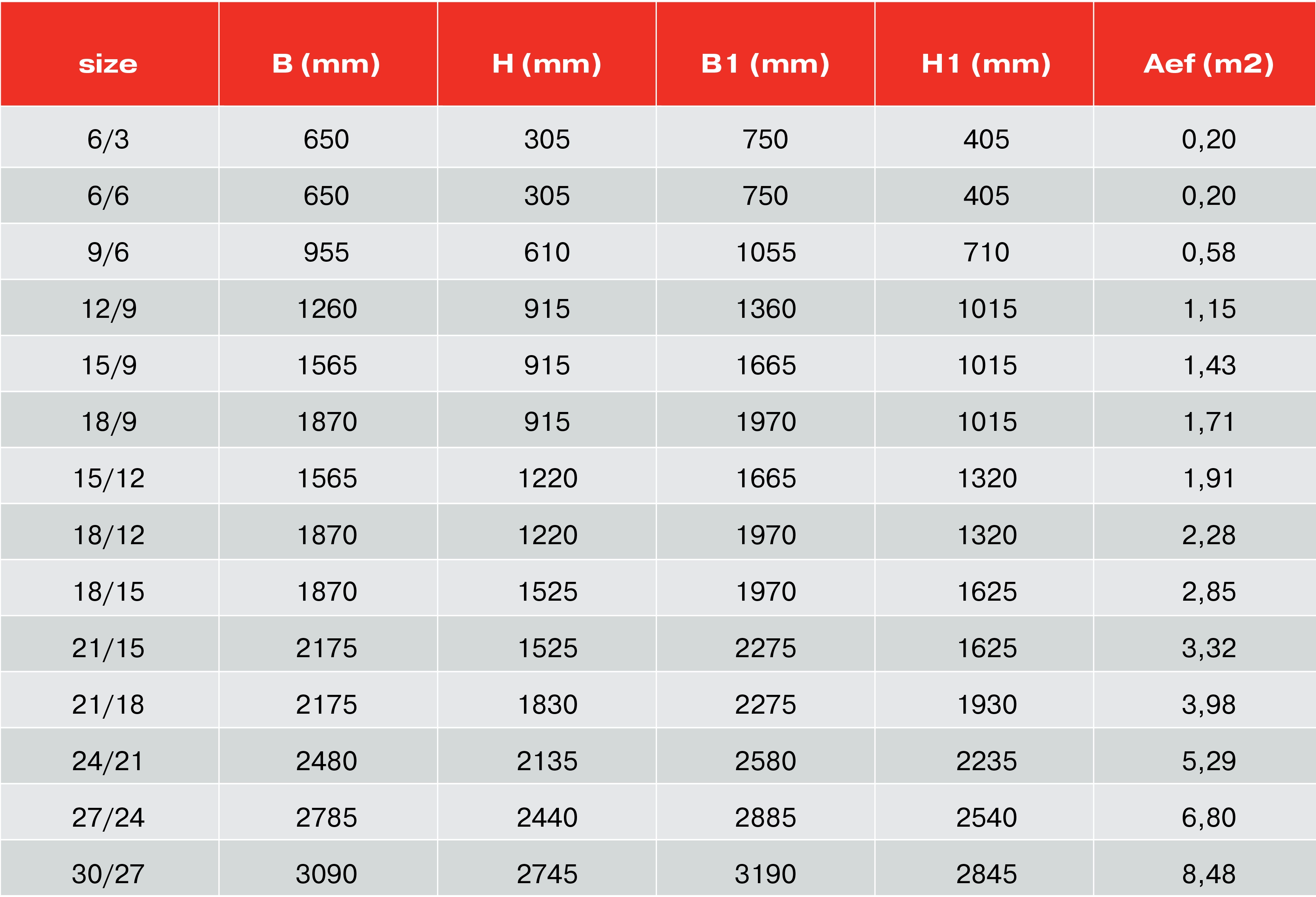
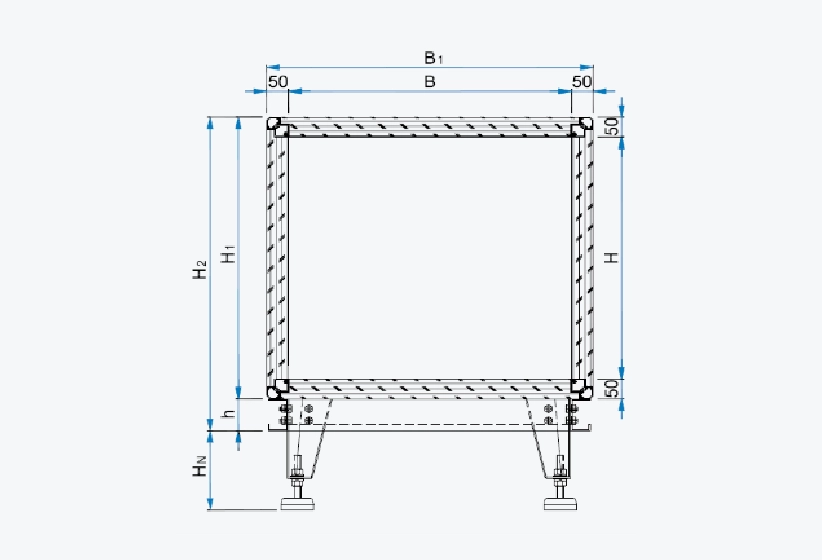
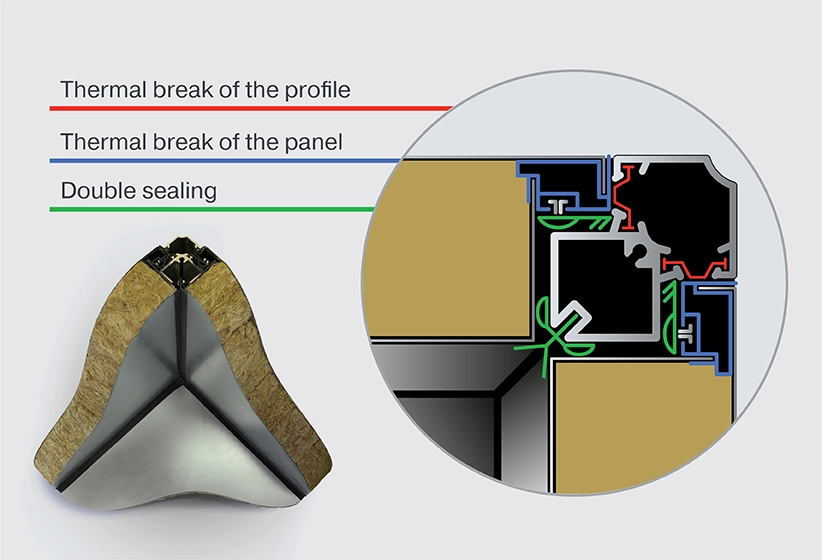
The “Comfort” series climate units are manufactured with the use of the TBS (Thermal Brake System), which significantly improves the sound and thermal insulation characteristics of the unit’s casing.
The TBS system includes a design in which the components feature thermal break inserts that prevent the formation of thermal bridges and substantially enhance the insulation performance. These thermal break inserts are incorporated into both the supporting aluminum profile and the panels of the unit. Additionally, the TBS system utilizes a double sealing, which creates an air gap around the perimeter of the panel. According to European classification, the TBS system corresponds to the TV2 class.
The casing of the PROSTOR “Comfort” series climate unit consists of an aluminum profile with thermal break, multi-layer panels, and connecting elements.
The panels of the unit casing are multi-layered:
The external and internal panels are made from galvanized sheet metal with a thickness of 0.9 mm. The outer panel is coated with RAL 9010 paint, suitable for both internal and external applications. The space between the panel walls is filled with mineral wool with a density of 80 kg/m³. The mineral wool is securely glued to the panel walls across the structure of the mineral board, under temperature and pressure conditions. The panel assembled in this way has excellent structural and thermal-sound insulation properties.